

Thank you for Subscribing to Gov Business Review Weekly Brief

City of Seattle
Beto Yarce, Director Office of Economic Developmet
The Power of Public-Private Partnerships In Building An Inclusive Economy
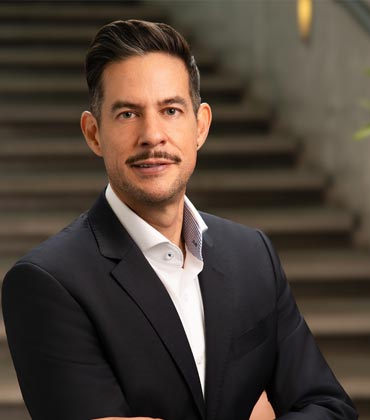
Beto Yarce
The most resilient and equitable economies are built not by any single sector, but by strong, intentional partnerships across government, nonprofits, philanthropy and the private sector. My firm belief in partnership is rooted in my journey as a small business owner, nonprofit leader, federal administrator and now as director of the Seattle Office of Economic Development.
My early work as a small business owner taught me that entrepreneurs drive local economies. Yet many lack access to capital, networks and business support systems. When I led Ventures, a nonprofit that helps incubate and grow microenterprises, I saw firsthand how coordinated support can accelerate opportunity. Philanthropic investment helped the organization scale; coaches provided hands-on assistance; local businesses offered mentorship; and city agencies helped entrepreneurs navigate licensing, financing and regulatory processes. When these pieces moved in sync, traditionally underrepresented entrepreneurs suddenly saw their dreams within reach. That belief followed me into federal service as the U.S. Small Business Administration’s Region 10 Administrator. In that role, I helped steward programs that relied on genuine collaboration: SBA-backed lending through private banks, advising services delivered through nonprofit partners and disaster-response support coordinated with local governments. The model worked because each partner brought different strengths to the table: banks with capital, nonprofits with community trust and public agencies with policy tools and oversight. Together, they created pathways that none could have built alone. Now, as director of the Seattle Office of Economic Development, I continue to champion the power of collaboration. Seattle’s economic landscape is both rich with innovation and troubled with widening inequities. Addressing those challenges requires what I often describe as an “all-hands approach.” We need large employers who are willing to co‑design workforce training programs, philanthropists who invest in community-led initiatives and neighborhood business associations that ensure local voices shape local solutions.The promise of public-private partnerships is not merely efficiency. It’s shared prosperity.
The articles from these contributors are based on their personal expertise and viewpoints, and do not necessarily reflect the opinions of their employers or affiliated organizations.
